Lead Time & Delivery Risk
Monitor lead time changes and delivery risks for electronic components. Track extended lead times and logistics disruptions.
281
Total Articles
33
Critical Alerts
242
Watch Items

Exclusive: Nexperia unsure 'if and when' China unit will send chips, letter to customers says
Nexperia's uncertainty regarding the operational status of its China unit raises significant concerns for procurement professionals regarding chip availability. Customers are left in the dark about when shipments will resume, which could lead to potential shortages in critical components. This situation highlights the vulnerability of the supply chain, especially amid ongoing geopolitical tensions, necessitating immediate awareness and mitigation strategies from sourcing teams to avoid production disruptions.

Taiwan considers TSMC export ban that would prevent manufacturing its newest chip nodes in U.S. — limit exports to two generations behind leading-edge nodes, could slow down U.S. expansion
Being concerned that TSMC’s expansion into the United States could dilute Taiwan’s semiconductor leadership, Taiwanese authorities are mulling setting a new export rule that would only let the world’s number-one foundry export technologies that are two generations behind its leading-edge production node, reportsCNA. If this happens, this could slow down TSMC’s expansion in the U.S., as it currently relies on aggressive building of advanced fabs there. The core of this new export policy is the go...
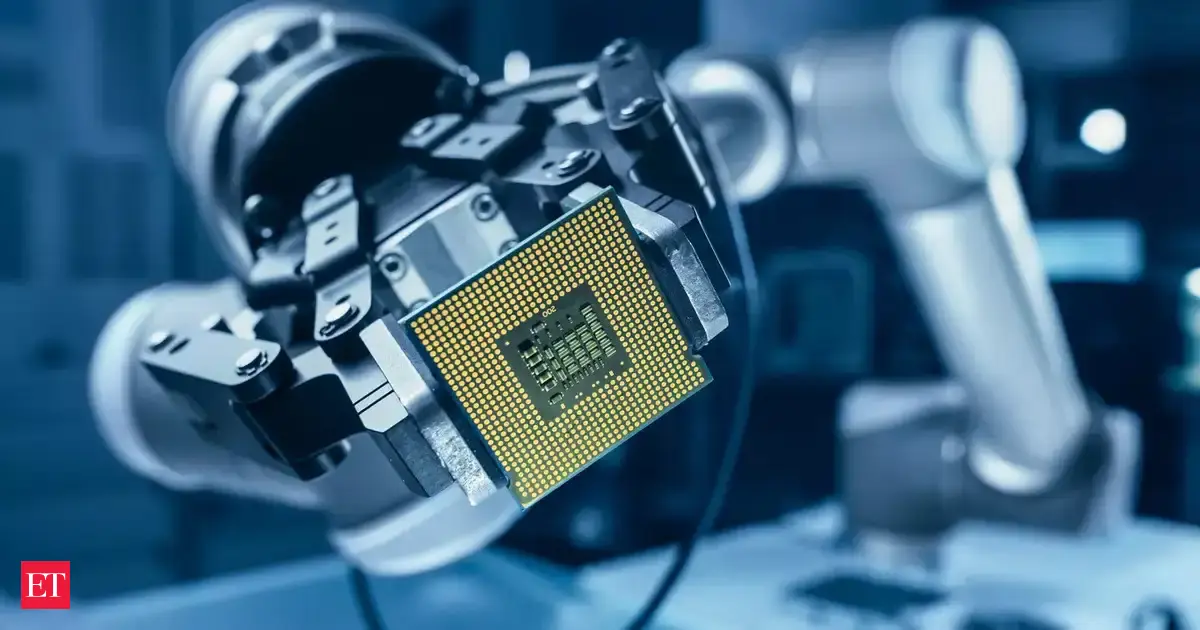
Carmakers race to secure chips amid rising China risks
Carmakers in Europe, including Volkswagen and suppliers like Robert Bosch, are taking urgent steps to bolster chip inventories due to potential supply disruptions linked to geopolitical risks involving Nexperia. The transition to alternative suppliers could take months, threatening production timelines. Electronics procurement professionals should closely monitor these developments to anticipate potential lead time increases and evaluate sourcing strategies in light of heightened supply chain risks.

Wall Street is Bullish on Taiwan Semiconductor Manufacturing ( TSM )
Taiwan Semiconductor Manufacturing Company (TSMC) is experiencing increased bullish sentiment from Wall Street following strong fiscal third-quarter results. Analysts have upgraded growth forecasts, reflecting anticipated demand for its N3 capacity, which may influence future revenue and capital expenditures. This positive outlook indicates potential increases in lead times and component availability, necessitating close monitoring by procurement teams for strategic sourcing and risk assessment related to TSMC's supply capabilities.

Vietnam GHub Grand Opening|JUSDA Strengthens Its Global Manufacturing Supply Chain Network Through a New Digital - Intelligent Hub
JUSDA has inaugurated its Vietnam Global Hub (GHub) in Bac Ninh, a strategic move to enhance its supply chain capabilities in Southeast Asia. This new facility, specifically designed for high-value electronics, will enable efficient logistics operations and provide real-time supply chain visibility. With Vietnam's rising prominence as a manufacturing hub and its robust network of free trade agreements, electronics companies should consider leveraging JUSDA's GHub to optimize their supply chain strategies and improve resilience against disruptions.
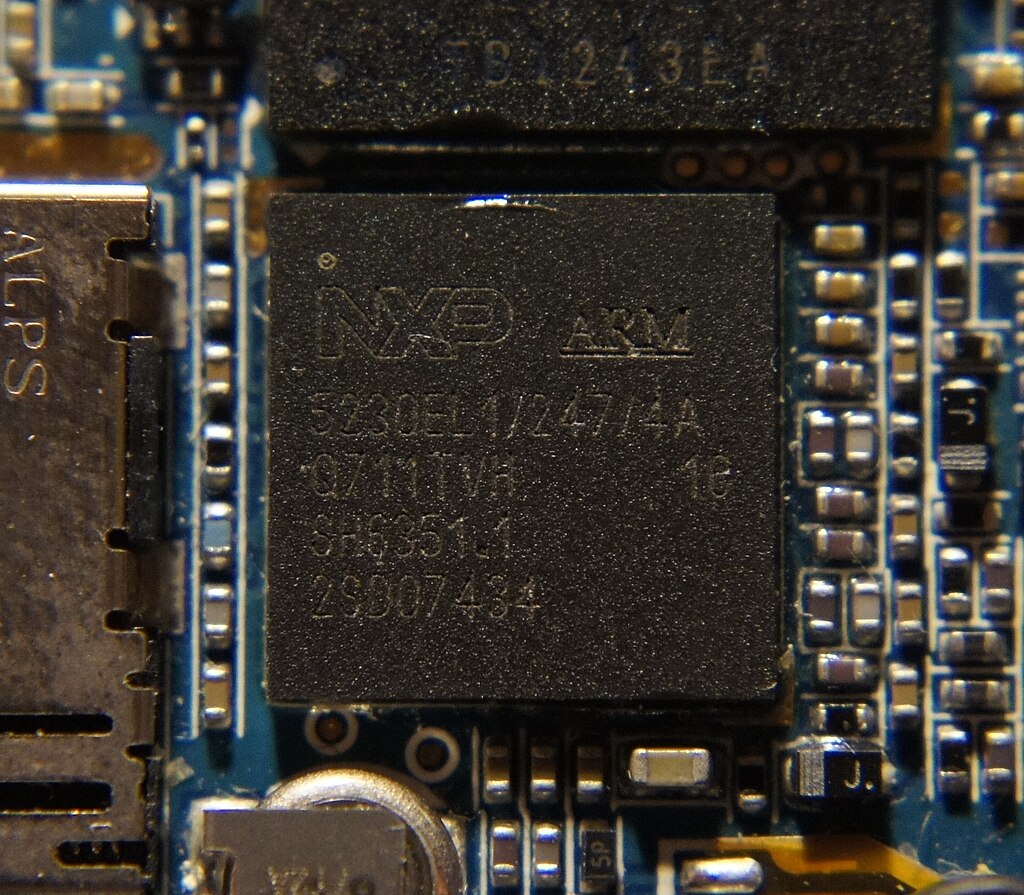
Global Auto Industry Faces New Chip Supply Shock as China Halts Nexperia Exports
The recent halt of Nexperia's chip exports from China due to geopolitical tensions has exposed vulnerabilities in the global automotive supply chain. Automakers like Nissan and Honda are forced to cut production, highlighting the need for more diverse chip sourcing strategies. Despite the low-tech nature of these automotive chips, their critical role in vehicle functions turns them into pivotal components in the supply chain. Companies must reassess inventory practices and build resilient supply chains to avoid future disruptions.
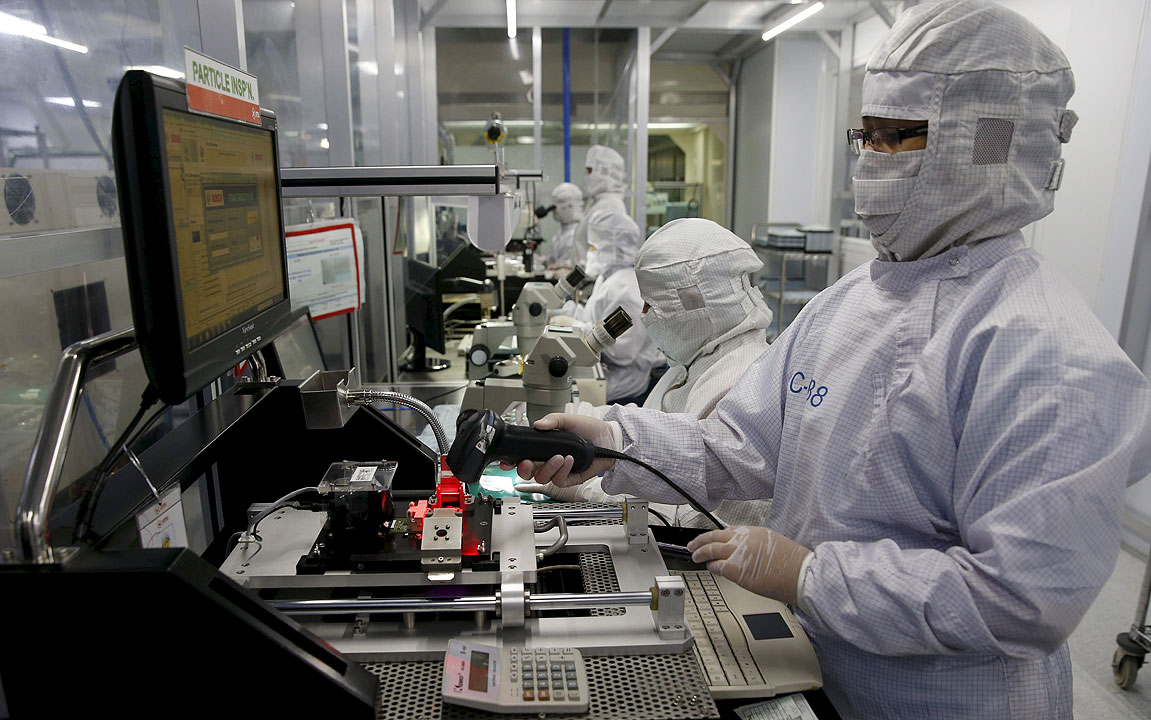
Manufacturers’ supply chain worries multiply as tariff walls start going up
Manufacturers in the electronics sector are facing heightened supply chain challenges as tariff barriers are being erected, leading to potential cascading effects on costs and availability. The Philippines may experience both benefits and drawbacks from US tariffs, but uncertainty remains high. Key issues include logistics disruptions and increased costs due to transportation challenges. Procurement professionals should closely monitor tariff developments and logistics costs, as these factors could significantly impact manufacturing operations and pricing strategies.

Honda to temporarily shut down factories in China and Japan because of chip shortage disruption caused by fallout from on - going conflict within Nexperia
When you buy through links on our articles, Future and its syndication partners may earn a commission. Honda has announced that it will suspend production at several sites in Japan on January 5 and 6, with reduced operations until January 9. While it’s unclear which factories will be affected, some estimates suggest that it will affect the company’s Suzuka and Saitama plants, which primarily produce vehicles for the domestic market. Aside from this, it will close three factories in China from De...

Rochester Electronics Delivers In-Stock Nexperia Products to Support Global Supply Continuity
Rochester Electronics has announced the availability of in-stock Nexperia products to ensure global supply continuity. This availability is crucial for procurement professionals as it could potentially alleviate component shortages and ensure smooth operations. Companies relying on Nexperia components may benefit from securing orders now to avoid future disruptions in their supply chains as demand fluctuates.

China pushes for mediation to resolve Nexperia dispute
China's commerce ministry said that it agreed with the European Union to urge Nexperia's Dutch and Chinese units to resolve their standoff, sidestepping the Dutch government. Following the seizure, Nexperia's Chinese unit declared independence from the European headquarters, which responded by halting wafer shipments to Nexperia's Chinese plant.
Micron expands factory in Hiroshima, Japan... Next-generation HBM shipped in 2028
Micron is expanding its factory in Hiroshima, Japan, to increase production capacity for next-generation high-bandwidth memory (HBM) chips, aimed at the AI market. This expansion signals a significant step in addressing rising demand for advanced semiconductor components, potentially impacting supply availability and pricing in the near future as these products become vital for AI applications. Companies in electronics should monitor this development closely to inform their sourcing strategies.

Why Supply Chain Risk Must Move To The Boardroom
The article emphasizes the urgent need for executives to prioritize supply chain risk management in the context of AI infrastructure build-outs. With lead times for electronic components reaching record highs, companies face significant financial and competitive risks. It advocates for integrating supply chain considerations into the design phase, leveraging real-time market intelligence, and fostering resilience through diverse sourcing strategies. These actions are crucial to mitigate delays and ensure timely project execution.